


-

Add: HeBei ShengShi HongBang Cellulose Technology CO.,LTD.
-

Email
13180486930@163.com -

CONTACT US
+86 13180486930
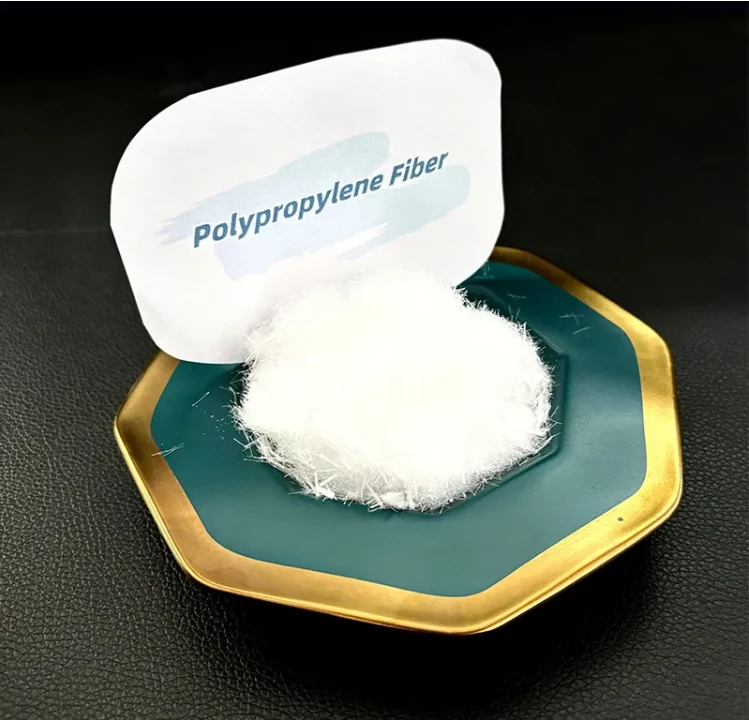
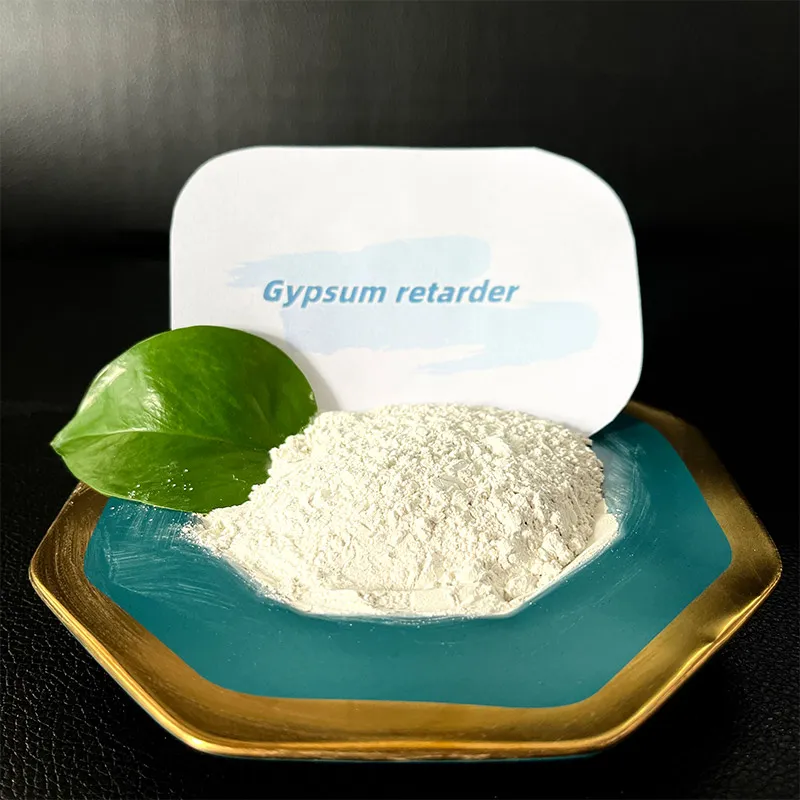



In the world of modern construction, synthetic fibers have revolutionized the way materials are used, enhancing the strength, flexibility, and durability of various building components. The different types of synthetic fibers available today are engineered for specific uses, making them indispensable in many construction projects. These fibers are often used to reinforce concrete, improve the resilience of building structures, and provide additional benefits like increased fire resistance and weather protection. From polypropylene fibers to long glass fibers , synthetic fibers offer a range of options tailored to different needs. Whether it’s increasing the strength of cement or providing insulation properties, the different types of synthetic fibers ensure that construction projects meet high standards of quality and longevity. In addition to their superior performance, synthetic fibers are often more cost-effective and readily available than traditional materials. This makes them a preferred choice for construction companies aiming to reduce costs while maintaining high-quality results. Furthermore, the environmental impact of synthetic fibers is increasingly being addressed with sustainable production methods, making them a more eco-friendly option for the construction industry. Long Glass Fiber Polypropylene: A Key Ingredient for Stronger Materials One of the standout synthetic fibers in the construction industry is long glass fiber polypropylene . This innovative fiber combines the strength of glass with the lightweight, corrosion-resistant properties of polypropylene. As a result, long glass fiber polypropylene is often used to reinforce concrete and other building materials, providing a significant boost in durability and performance. The inclusion of long glass fiber polypropylene in construction materials helps reduce cracking and improve the structural integrity of buildings and roads. The long fibers create a matrix that distributes stresses evenly across the material, preventing localized damage. This fiber is particularly useful in high-strength concrete applications where additional reinforcement is needed. Moreover, long glass fiber polypropylene is highly resistant to environmental factors like moisture, UV radiation, and temperature changes, making it ideal for both indoor and outdoor construction projects. It is commonly used in applications like paving, drainage systems, and even in the production of prefabricated building components. Its versatility and effectiveness in improving the lifespan and reliability of building materials make it a go-to solution for modern construction needs. Fibre Natural and Synthetic: A Comparison of Strength and Sustainability When choosing materials for construction, understanding the difference between fibre natural and synthetic options is crucial. While natural fibers such as jute, hemp, and cotton have been traditionally used in construction, synthetic fibers like polypropylene, polyester, and nylon have emerged as more durable and cost-effective alternatives. Fibre natural and synthetic materials each have their own advantages, making them suitable for different types of applications. Natural fibers are renewable, biodegradable, and often produced using more sustainable methods, making them a more eco-friendly option. However, they may not offer the same level of strength or resistance to environmental factors as synthetic fibers. On the other hand, synthetic fibers are engineered for durability, offering superior resistance to moisture, heat, and wear. They are often used to enhance the properties of natural materials, making them more suitable for demanding construction environments. For example, natural fibers like hemp may be used in insulation or as a reinforcement material in low-stress applications, while synthetic fibers like polypropylene or polyester are used for high-strength reinforcement in concrete, roofing, and other critical structures. By combining the best of both fibre natural and synthetic materials, construction companies can achieve optimal performance and sustainability. Non-Woven Polypropylene Fiber: A Revolutionary Material in Construction Non woven polypropylene fiber is another essential material that is increasingly being used in the construction industry. Unlike traditional woven fabrics, non woven polypropylene fiber is made from a process that bonds fibers together without weaving or knitting, resulting in a highly versatile material with excellent durability and moisture resistance. This fiber is widely used in applications like drainage systems, geotextiles, and road construction. Non woven polypropylene fiber provides a lightweight yet strong solution for reinforcing construction materials. It is often used in soil stabilization, as it helps prevent erosion and improves the strength of the ground underneath roads, bridges, and buildings. The material's ability to resist moisture also makes it ideal for protecting against corrosion and extending the lifespan of infrastructure. Additionally, non woven polypropylene fiber is environmentally friendly, as it is made from recyclable polypropylene, a material that can be repurposed for various other uses. Its cost-effectiveness, combined with its high-performance qualities, makes it a popular choice for contractors seeking durable and sustainable solutions for their construction projects. S ynthetic F ibers FAQs What are the different types of synthetic fibers used in construction? Synthetic fibers used in construction include polypropylene, polyester, nylon, and glass fibers. Each type is engineered for specific applications, such as reinforcing concrete, improving durability, and providing insulation. What is long glass fiber polypropylene, and why is it important in construction? Long glass fiber polypropylene is a fiber that combines the strength of glass with the lightweight, corrosion-resistant properties of polypropylene. It is essential in construction for reinforcing concrete, improving structural integrity, and preventing cracking. What are the benefits of using natural fibers in construction? Natural fibers , like hemp or jute, offer benefits such as renewability, biodegradability, and sustainability. They are commonly used for insulation and low-stress reinforcement, but may not be as durable or resistant to environmental factors as synthetic fibers. How does non-woven polypropylene fiber differ from woven fabrics? Unlike woven fabrics, non-woven polypropylene fiber is made through a bonding process that does not involve weaving or knitting. This results in a highly durable and moisture-resistant material, commonly used in geotextiles, drainage systems, and soil stabilization. Are synthetic fibers environmentally friendly? While synthetic fibers are often made from petroleum-based products, many are now produced using more sustainable methods. Additionally, materials like non woven polypropylene fiber are recyclable, making them a more environmentally friendly choice in construction. As construction needs evolve, synthetic fibers like long glass fiber polypropylene and non woven polypropylene fiber continue to play a crucial role in enhancing the strength, durability, and sustainability of building materials. If you're in the construction business, investing in these cutting-edge fibers will improve the performance of your projects and contribute to more eco-friendly practices. Visit our website today to explore our wide range of high-quality synthetic fibers and learn how they can transform your construction projects!
- 40000tons

Production
- 20+years

Experience
- 5000+㎡

Acreage

-
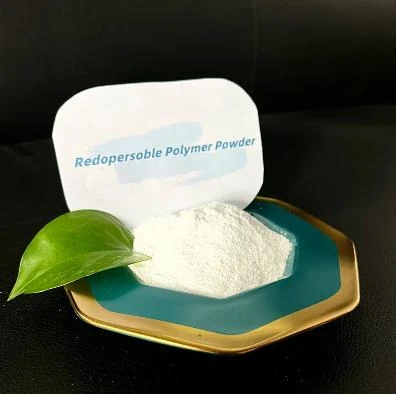
The demand for high-quality rubber products has never been higher, driven by advancements in manufacturing, sustainability, and innovation. One such product that is gaining significant attention is rubber powder for sale . This versatile material, derived from recycled rubber, is being used across a wide array of industries, including construction, automotive, and sports. Its growing popularity is not just about its functionality but also its environmental benefits, as it promotes the recycling of rubber waste into valuable raw materials. In this article, we will explore the importance of rubber powder for sale and its many applications, as well as highlight some of the specialized rubber products such as rubber accelerator free gloves , micronized rubber powder , and natural rubber powder that are contributing to a greener future. The Advantages of Using Rubber Powder for Sale in Various Industries Rubber powder for sale is a product that offers incredible versatility, used in applications ranging from asphalt production to the manufacturing of high-performance sports surfaces. As a sustainable and eco-friendly material, rubber powder for sale is primarily sourced from used tires and other rubber waste products. By recycling rubber into powder form, this material can be easily integrated into a wide range of manufacturing processes. One of the key benefits of rubber powder for sale is its role in enhancing the durability and flexibility of materials. In asphalt, for example, rubber powder can be blended into mixtures to improve the road’s resilience, longevity, and resistance to weathering. This not only contributes to better infrastructure but also plays a role in reducing the amount of waste rubber that would otherwise end up in landfills. Additionally, rubber powder for sale is used in the production of playground surfaces, sports tracks, and flooring materials. Its shock-absorbing properties ensure that these surfaces are safe, durable, and long-lasting. With growing concerns over environmental sustainability, utilizing rubber powder for sale in these applications offers a solution to both waste management and product innovation. The Rising Popularity of Rubber Accelerator Free Gloves in Industrial Applications For industries that require personal protective equipment (PPE), rubber accelerator free gloves are becoming an increasingly popular choice. These gloves are made from rubber compounds that do not use chemical accelerators during the manufacturing process, making them safer for workers with sensitive skin and reducing exposure to harmful substances. As the demand for environmentally friendly products grows, rubber accelerator free gloves are gaining traction due to their non-toxic nature and hypoallergenic properties. The key advantage of rubber accelerator free gloves lies in their ability to maintain the same performance levels as traditional gloves without the risks associated with accelerator chemicals. These gloves offer excellent elasticity, durability, and resistance to abrasions, ensuring that workers are protected in environments where they handle chemicals, medical instruments, or machinery. In addition to the health and safety benefits, rubber accelerator free gloves are also favored for their environmentally friendly composition. As industries continue to prioritize sustainability, the switch to rubber accelerator free gloves offers a safer and greener alternative to traditional rubber-based PPE products. The Role of Micronized Rubber Powder in Enhancing Product Performance Micronized rubber powder is a finely ground form of rubber that offers a range of performance-enhancing benefits for various products. This ultra-fine powder is produced by grinding rubber down to micron sizes, which significantly increases its surface area and allows it to be incorporated more effectively into different materials. The benefits of micronized rubber powder are numerous, especially in applications where durability, elasticity, and impact resistance are key considerations. One of the most common uses of micronized rubber powder is in the production of high-performance coatings, sealants, and adhesives. The finely ground powder improves the elasticity and durability of these products, allowing them to withstand harsh environmental conditions such as extreme temperatures and moisture. It is also used in rubber compounds to improve the overall flexibility and resilience of the material. In addition, micronized rubber powder is increasingly being incorporated into the manufacturing of tires, flooring materials, and automotive components. By enhancing the rubber’s strength and flexibility, micronized powder can contribute to longer-lasting and more reliable products. Furthermore, it can be used to reduce costs in production by replacing a portion of more expensive raw materials, all while contributing to sustainability efforts by using recycled rubber. Natural Rubber Powder: A Sustainable Option for Eco-Friendly Manufacturing As industries seek to reduce their environmental footprint, natural rubber powder has emerged as a sustainable option for a wide range of applications. This powder is derived from natural rubber, making it a renewable resource that can be used in products that require high elasticity and durability. The use of natural rubber powder is particularly important in industries such as construction, automotive, and footwear, where the material’s superior properties are highly valued. One of the key benefits of natural rubber powder is its ability to provide excellent flexibility and strength without the use of synthetic additives. This makes it an ideal choice for manufacturing products that need to maintain their shape and integrity over time, such as automotive seals, gaskets, and hoses. By utilizing natural rubber powder , manufacturers can create eco-friendly products that offer the same performance as their synthetic counterparts while minimizing their impact on the environment. R ubber powder for sale , along with specialized products such as rubber accelerator free gloves , micronized rubber powder , and natural rubber powder , is transforming industries by providing sustainable, eco-friendly solutions that enhance performance and reduce environmental impact. As the world continues to prioritize sustainability, these rubber products are becoming essential components in a wide range of applications, from construction to personal protective equipment. By embracing rubber powder for sale and its various forms, industries can reduce their reliance on virgin materials, minimize waste, and create products that offer superior performance and durability. Whether it’s for improving road surfaces, producing high-quality gloves, or enhancing rubber compounds, these innovative rubber products are paving the way for a greener, more sustainable future.
-
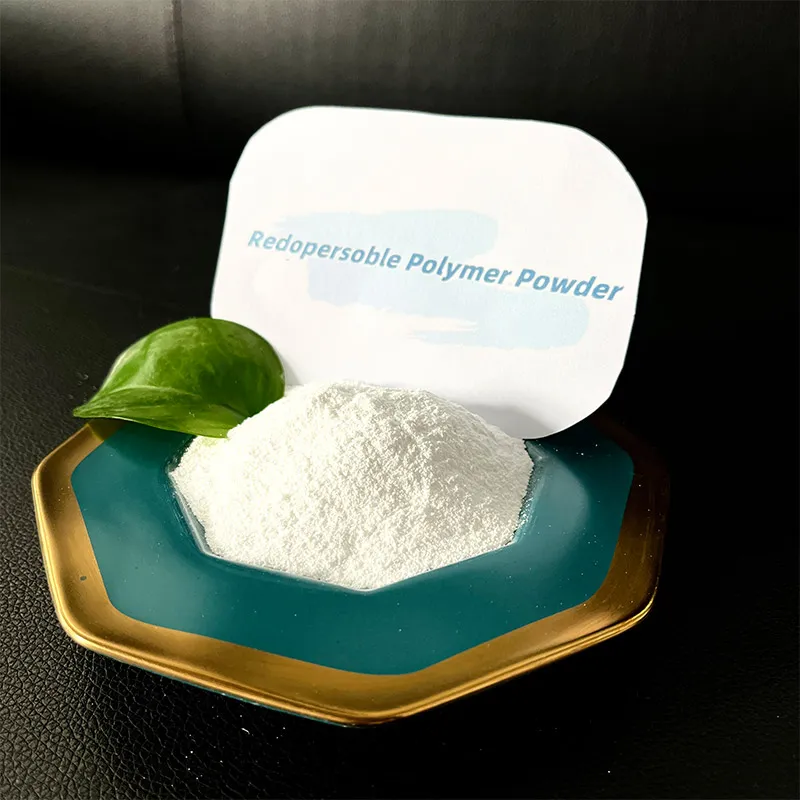
Exploring the Intricacies and Applications of HPMC Coating HPMC, or Hydroxypropyl Methylcellulose, coatings have emerged as a pivotal component in various industries, primarily in pharmaceuticals and food sectors. These coatings are not merely a protective layer but serve multifaceted roles that enhance product quality and consumer safety. Hydroxypropyl Methylcellulose is a semi-synthetic polymer derived from cellulose, the most abundant organic polymer on Earth. Its non-ionic, water-soluble properties make it an ideal candidate for coating applications. In pharmaceuticals , HPMC coatings play a crucial role in tablet and capsule formation. They not only provide a polished finish to the pharmaceutical products but also offer functionalities like controlled drug release, taste masking, and moisture protection. For instance, with controlled release formulations, HPMC coatings ensure that the drug is released at a predetermined rate and time, significantly enhancing therapeutic efficacy and patient compliance. In the food industry, HPMC is used extensively to improve the stability and shelf life of products. It forms an efficient barrier against oil and moisture loss, maintaining product freshness and texture. An example is its application in bread, where it acts as an anti-staling agent, ensuring prolonged softness and freshness. Coupled with its non-toxic and hypoallergenic qualities, HPMC is recognized as safe for human consumption by international regulatory bodies, which bolsters its credibility. hpmc coating The rise in vegetarianism and veganism has further propelled the demand for HPMC coatings, especially in pharmaceuticals. Traditional gelatin capsules, derived from animal by-products, are increasingly being replaced by HPMC-based capsules, which align with plant-based dietary preferences. This transition is supported by studies showing HPMC capsules have comparable disintegration and dissolution properties to their gelatin counterparts, assuring consistent drug delivery and absorption. Experts in material sciences highlight the adaptability of HPMC coatings as a notable advantage. By tweaking the degree of substitution and the molecular weight of HPMC, manufacturers can customize the viscosity and film-forming properties to meet specific product requirements. This flexibility not only enhances product development processes but also aids in scaling manufacturing operations by allowing precise control over the coating formulation. However, with the integration of HPMC coatings in product development, there are challenges that need to be addressed. These include ensuring the uniformity of the coating layer, which is critical for product performance, and managing the cost implications of high-quality HPMC, which can be a limiting factor for smaller enterprises. Industry leaders stress the importance of investing in advanced coating technologies and quality control systems to overcome these hurdles and maximize the benefits of HPMC applications. In conclusion, the evolving landscape of consumer preferences and technological advancements positions HPMC coatings as a transformative solution in various sectors. Their unrivaled functionality, combined with their adaptability, makes them an indispensable tool in enhancing product performance and market competitiveness. As manufacturers continue to innovate and refine HPMC formulations, the future of coating technologies promises to be both exciting and impactful, underscoring a commitment to quality and consumer satisfaction.
advantages
-

200000 Viscosities
Excellent product
We can produce pure products up to 200,000 viscosities
-

40000 tons
High yield
We don’t stop production all year round, and the annual output can reach 40,000 tons
-

24 hours
Quality service
We provide 24-hours online reception service, welcome to consult at any time
———— Inquiry Form
Schedule A services
-
 melt_blown_polypropylene_fiber
Oct . 25, 2025
The Significance of Nylon Fiber in Modern Textiles Nylon fiber, first introduced in the 1930s, revol -
 hydroxyethyl_methyl_cellulose_hemc
Oct . 25, 2025
Rubber powder, an increasingly significant material in various industrial applications, exhibits uni -
 hydroxypropyl_starch
Oct . 25, 2025
Hydroxypropyl methylcellulose (HPMC) is a versatile product that has gained tremendous attention acr


